
- កំណត់សញ្ញាណប្លង់និងផែនទីបានច្បាស់លាស់
- គូសគំនូសតាងមាត្រដ្ឋានបានត្រឹមត្រូវ
- ដោះស្រាយចំណោទមាត្រដ្ឋានបានត្រឹមត្រូវ ។
1. ផែនទីនិងប្លង់
សញ្ញាណទូទៅ ៖ នៅលើក្រដាសមួយសន្លឹកគេមិនអាចតាងទំហំពិតនៃប្រទេសមួយបានទេ គេត្រូវគូសគំនូសមួយតូចជាង ។ រូបដែលគូសនៅលើក្រដាសត្រូវឱ្យដូចរូបពិត បានសេចក្តីថា រូបទាំងពីរមានផ្ទៃក្រឡាខុសគ្នាតែមានរាងដូចគ្នា ។
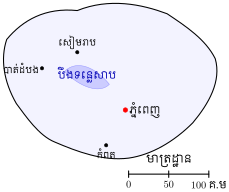
គេបានលទ្ធផលនេះដោយគូសបង្រួមវិមាត្រនៃប្រទេសក្នុងសមាមាត្រដដែល ។ គំនូសតាងបែបនេះហៅថា ប្លង់ ឬ ផែនទី ។
ឧទាហរណ៍ ៖ គេមានពហុកោណ \(\displaystyle A'B'C'D'E'\) ដែលពង្រីកពីពហុកោណ \(\displaystyle ABCDE\) ។ គេថា ពហុកោណទាំងពីរដូចគ្នា ។
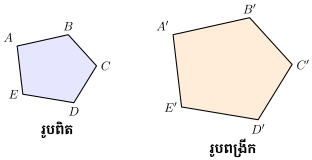
យើងសង្កេតឃើញថា ៖
- ចម្ងាយវាស់លើរូបមួយសមាមាត្រនិងចម្ងាយត្រូវគ្នាលើរូបមួយទៀត
- មុំត្រូវគ្នាលើរូបទាំងពីរមានរង្វាស់ស្មើគ្នា ។
គេមានរូបថតវិមានឯករាជ្យពីរសន្លឹកដែលរូប B បានចម្លងចេញពីរូប A ។ បើគេវាស់កម្ពស់រូបថតទាំងពីរ គេបាន \(\displaystyle 26\text{ mm}\) ចំពោះរូប A និង \(\displaystyle 39\text{ mm}\) ចំពោះរូប B ។ តែបើគេវាស់ទទឹងរូបថតទាំងពីរ គេបាន \(\displaystyle 6\text{ mm}\) ចំពោះរូប A និង \(\displaystyle 9\text{ mm}\) ចំពោះរូប B ។ ចូរអ្នកសរសេរផលធៀបកម្ពស់និងផលធៀបទទឹងនៃរូបថតទាំងពីរ ។ តើអ្នកសង្កេតឃើញយ៉ាងដូចម្តេច ចំពោះផលធៀបទាំងពីរនេះ?
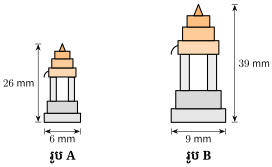
- ផលធៀបកម្ពស់រូបថត ៖
កម្ពស់រូប \(\displaystyle A = 26\text{ mm}\) និងកម្ពស់រូប \(\displaystyle B = 39\text{ mm}\)
យើងបាន \(\displaystyle \frac{26}{39} = \frac{2}{3}\) ។ - ផលធៀបទទឹងរូបថត ៖
ទទឹងរូប \(\displaystyle A = 6\text{ mm}\) និងទទឹងរូប \(\displaystyle B = 9\text{ mm}\)
គេបាន \(\displaystyle \frac{6}{9} = \frac{2}{3}\) ។
យើងសង្កេតឃើញថាផលធៀបទាំងពីរស្មើគ្នា ។ ម្យ៉ាងទៀតបើយើងរកផលធៀបរវាងចម្ងាយត្រូវគ្នា នោះយើងសង្កេតឃើញថា ផលធៀបមានតម្លៃថេរគឺ \(\displaystyle \frac{2}{3}\) ។
សុខា យករូបថតមួយសន្លឹកមានទំហំ \(\displaystyle 4\text{ cm} \times 6\text{ cm}\) មកផ្តិតពង្រីកទៅជាទំហំ \(\displaystyle 16\text{ cm} \times 24\text{ cm}\) ។ ចូរអ្នកសរសេរផលធៀបរូបថតទាំងពីរ ។ តើអ្នកសង្កេតឃើញយ៉ាងដូចម្តេច ចំពោះរូបថតទាំងពីរសន្លឹកនេះ?
ចម្លើយ ៖ ផលធៀប \(\displaystyle \frac{1}{4}\) ។
2. មាត្រដ្ឋាន
ឧទាហរណ៍ 1 ៖ បើប្រវែង \(\displaystyle 1\text{ cm}\) នៅលើផែនទី តាងឱ្យប្រវែង \(\displaystyle 1\,000\text{ cm}\) ពិតនៅលើផ្ទៃដី នោះគេថាផែនទីនេះមានមាត្រដ្ឋាន \(\displaystyle \frac{1}{1\,000}\) ឬ \(\displaystyle 1/1\,000\) ។
ឧទាហរណ៍ 2 ៖ បើប្រវែង \(\displaystyle 1\text{ cm}\) នៅលើផែនទី តាងឱ្យប្រវែង \(\displaystyle 10\,000\text{ cm}\) ពិតនៅលើផ្ទៃដី នោះគេថាផែនទីនេះមានមាត្រដ្ឋាន \(\displaystyle \frac{1}{10\,000}\) ឬ \(\displaystyle 1/10\,000\) ។
សម្គាល់ ៖ ផែនទីគេនិយមប្រើ មានមាត្រដ្ឋាន \(\displaystyle 1/50\,000\) ឬ \(\displaystyle 1/20\,000\) ។ ផែនទីក្រុមសូរិយោដី គេក្រិតមាត្រដ្ឋាន \(\displaystyle 1/20\,000\) ។
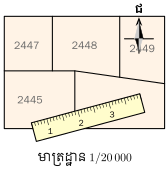
នៅពេលរថភ្លើងធ្វើដំណើរ គេបានឃើញផែនទីផ្លូវមួយខ្សែដែលកំពុងជួសជុលមានចម្ងាយ \(\displaystyle 150\text{ mm}\) នៅលើផែនទីដែលមានមាត្រដ្ឋាន \(\displaystyle 1/80\,000\) ។ តើចម្ងាយផ្លូវដែលកំពុងជួសជុលនោះមានប្រវែងប៉ុន្មានគីឡូម៉ែត្រ ?
ចម្ងាយ \(\displaystyle 1\text{ mm}\) នៅលើផែនទីស្មើនឹង \(\displaystyle 80\,000\text{ mm}\) ឬ \(\displaystyle 80\text{ m}\) នៅលើផ្ទៃដី
ចម្ងាយ \(\displaystyle 150\text{ mm}\) នៅលើផែនទីស្មើនឹង \(\displaystyle 80\text{ m} \times 150 = 12\,000\text{ m}\) នៅលើផ្ទៃដី
ដូច្ចោះចម្ងាយផ្លូវដែលកំពុងជួសជុលគឺ \(\displaystyle 12\,000\text{ m}\) ឬ \(\displaystyle 12\text{ km}\) ។
ផ្លូវជាតិពីភ្នំពេញទៅស្ទឹងត្រែងមានប្រវែងពិត \(\displaystyle 455\text{ km}\) តាមផ្លូវជាតិលេខ 6A លេខ 7 និងលេខ 13 ។ តើនៅលើផែនទីដែលមានមាត្រដ្ឋាន \(\displaystyle 1/200\,000\) មានចម្ងាយប៉ុន្មាន ?
ចម្ងាយ \(\displaystyle 200\,000\text{ cm}\) ឬ \(\displaystyle 2\text{ km}\) នៅលើផ្ទៃដីស្មើនឹងចម្ងាយ \(\displaystyle 1\text{ cm}\) នៅលើផែនទី
ចម្ងាយ \(\displaystyle 455\text{ km}\) នៅលើផ្ទៃដីស្មើនឹង \(\displaystyle 455 \div 2 = 227.5\text{ cm}\) នៅលើផែនទី
ដូច្ចោះចម្ងាយនៅលើផែនទីគឺ \(\displaystyle 227.5\text{ cm}\) ។
ប្លង់ដែនទីស្វ័យមេធីនៃបណ្តោយទ្វារអគារមួយ មានប្រវែង \(\displaystyle 3.5\text{ cm}\) បើបណ្តោយពិតមានប្រវែង \(\displaystyle 70\text{ m}\) ។ តើដែនទីនោះមានមាត្រដ្ឋានប៉ុន្មាន ?
ចម្លើយ ៖ \(\displaystyle \frac{1}{2\,000}\) ។
3. កំណត់មាត្រដ្ឋាន
គេតាងផែនទីដោយប្រភាគមួយដែលភាគយកជាប្រវែងនៅលើផែនទី ឯភាគបែងជាប្រវែងពិតនៃវត្ថុ ហើយប្រវែងទាំងពីរនេះត្រូវគិតជាខ្នាតដូចគ្នា ។
ឧទាហរណ៍ ៖ មាត្រដ្ឋាន \(\displaystyle \frac{1\text{ cm}}{1\,000\text{ cm}}\) មានន័យថា \(\displaystyle 1\text{ cm}\) លើផែនទីស្មើនឹង \(\displaystyle 1\,000\text{ cm}\) លើដី ។
បើផែនទីមួយមានមាត្រដ្ឋាន \(\displaystyle \frac{1}{1\,000}\) នោះគេបាន ៖
- \(\displaystyle 1\text{ mm}\) លើផែនទី ត្រូវនឹង \(\displaystyle 1\,000\text{ mm}\) លើដី
- \(\displaystyle 1\text{ cm}\) លើផែនទី ត្រូវនឹង \(\displaystyle 1\,000\text{ cm}\) លើដី
- \(\displaystyle 1\text{ dm}\) លើផែនទី ត្រូវនឹង \(\displaystyle 1\,000\text{ dm}\) លើដី ។
សម្គាល់ ៖ វិមាត្រទាំងឡាយនៃរូបនៅលើផែនទី ត្រូវតែនឹងមួយចំនួនដូចគ្នា ។ ចំពោះផែនទីមួយ បើវិមាត្រចែកនឹង \(\displaystyle 100\,000\) នោះគេថាផែនទីមានមាត្រដ្ឋាន \(\displaystyle \frac{1}{100\,000}\) ឬ \(\displaystyle 1/100\,000\) ។
មាត្រដ្ឋានមួយតាងឱ្យចម្ងាយពិតនៅលើដី \(\displaystyle \frac{1}{2\,500}\) ។ រកចម្ងាយពិតនៅលើដី ។
មាត្រដ្ឋាន \(\displaystyle \frac{1}{2\,500}\) មានន័យថា \(\displaystyle 1\text{ cm}\) លើផែនទីត្រូវនឹង \(\displaystyle 2\,500\text{ cm}\) លើដី ឬ \(\displaystyle 25\text{ m}\)
ដូច្ចោះចម្ងាយពិតនៅលើដីគឺ \(\displaystyle 25\text{ m}\) ។
គ្រូណែនាំឱ្យសិស្សសង្កេតមើលផែនទីនៅក្នុងថ្នាក់រៀន ។ បន្ទាប់មកយកបន្ទាត់ក្រិតមកវាស់ប្រវែងទីតាំងសំខាន់ៗ រួចឱ្យសិស្សគណនាប្រវែងពិតនៅលើផ្ទៃដី ។
4. ចំណោទ
ឧទាហរណ៍ ៖ ផែនទីនៃប្រទេសកម្ពុជាមានមាត្រដ្ឋាន \(\displaystyle \frac{1}{500\,000}\) ។ បន្ទាត់ត្រង់តាងប្រវែងពីរាជធានីភ្នំពេញទៅទីរួមខេត្តកំពតមានប្រវែង \(\displaystyle 27\text{ cm}\) ។ រកចម្ងាយពិតនៅលើដី ។
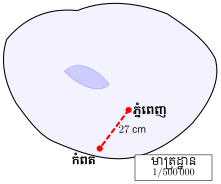
មាត្រដ្ឋាន \(\displaystyle \frac{1}{500\,000}\) មានចម្ងាយពិត \(\displaystyle 500\,000\) ដង ធំជាងប្រវែងនៅលើផែនទី ។ ចម្ងាយពីរាជធានីភ្នំពេញទៅទីរួមខេត្តកំពតតាមបន្ទាត់ត្រង់មាន ៖
ដូច្ចោះចម្ងាយពីរាជធានីភ្នំពេញទៅទីរួមខេត្តកំពតតាមបន្ទាត់ត្រង់គឺ \(\displaystyle 135\text{ km}\) ។
រកចម្ងាយនៅលើផែនទីភូមិបាលមួយ ដោយដឹងថាផែនទីនោះមានមាត្រដ្ឋាន \(\displaystyle \frac{1}{2\,500}\) បើភូមិទាំងពីរនៅលើដីឃ្លាតឆ្ងាយពីគ្នា \(\displaystyle 1\,500\text{ m}\) ។
ភូមិទាំងពីរមានចម្ងាយនៅលើផែនទីគឺ ៖
ដូច្ចោះចម្ងាយនៅលើផែនទីគឺ \(\displaystyle 60\text{ cm}\) ។
វិមានឯករាជ្យមានកម្ពស់ពិត \(\displaystyle 37\text{ m}\) បើគេវាស់ក្នុងប្លង់នៃផែនទីមួយវាមានកម្ពស់ \(\displaystyle 18.50\text{ cm}\) ។ តើប្លង់នៃផែនទីមានមាត្រដ្ឋានប៉ុន្មាន ?
កម្ពស់ក្នុងប្លង់ \(\displaystyle 18.50\text{ cm} = 0.185\text{ m}\)
មាត្រដ្ឋាននៃប្លង់នោះគឺ ៖
ដូច្ចោះ មាត្រដ្ឋាននៃប្លង់នោះគឺ \(\displaystyle \frac{1}{200}\) ។
ទីក្រុងពីរមានចម្ងាយពិត \(\displaystyle 225\text{ km}\) ។ តើចម្ងាយនេះតាងឱ្យប្រវែងប៉ុន្មាននៅលើផែនទី បើគេយកមាត្រដ្ឋាន ៖
- ក. \(\displaystyle \frac{1}{50\,000}\)
- ខ. \(\displaystyle \frac{1}{80\,000}\)
- គ. \(\displaystyle 1/20\,000\)
- ឃ. \(\displaystyle 1/100\,000\)
- ង. ចំពោះមាត្រដ្ឋានខាងលើ តើអ្នកជ្រើសរើសយកមួយណា ដើម្បីគូសផែនទីផ្លូវថ្នល់ឱ្យមានវិមាត្រសមរម្យ ។
លំហាត់
ផែនទីមួយមានមាត្រដ្ឋាន \(\displaystyle 1/80\,000\) ។ គណនាចម្ងាយពិតនៅលើដី បើគេវាស់ចម្ងាយទីក្រុងពីលើផែនទី \(\displaystyle 343\text{ mm}\) ។
មើលដំណោះស្រាយ
ចម្ងាយពិតនៅលើដីស្មើនឹងចម្ងាយលើផែនទីគុណនឹងភាគបែងមាត្រដ្ឋាន ៖
\[D = 343\text{ mm} \times 80\,000 = 27\,440\,000\text{ mm}\]ប្តូរទៅជាម៉ែត្រនិងគីឡូម៉ែត្រ ៖
\[27\,440\,000\text{ mm} = 27\,440\text{ m} = 27.44\text{ km}\]ដូច្ចោះ ចម្ងាយពិតនៅលើដីគឺ \(\displaystyle 27.44\text{ km}\) ។
ចម្ការដូងប្រេងមួយមានរាងត្រីកោណដែលមានជ្រុង \(\displaystyle 6\text{ km}\), \(\displaystyle 4.5\text{ km}\) និង \(\displaystyle 3.9\text{ km}\) ។ ចូរតាងចម្ការនោះលើផែនទីដែលមានមាត្រដ្ឋាន \(\displaystyle 1/75\,000\) ។
មើលដំណោះស្រាយ
ប្តូរប្រវែងជ្រុងពិតទៅជាសង់ទីម៉ែត្រ ៖
- \(\displaystyle 6\text{ km} = 600\,000\text{ cm}\)
- \(\displaystyle 4.5\text{ km} = 450\,000\text{ cm}\)
- \(\displaystyle 3.9\text{ km} = 390\,000\text{ cm}\)
ប្រវែងនៅលើផែនទីដែលមានមាត្រដ្ឋាន \(\displaystyle \frac{1}{75\,000}\) ៖
- \(\displaystyle a = \frac{600\,000}{75\,000} = 8\text{ cm}\)
- \(\displaystyle b = \frac{450\,000}{75\,000} = 6\text{ cm}\)
- \(\displaystyle c = \frac{390\,000}{75\,000} = 5.2\text{ cm}\)
(សម្គាល់ ៖ បើគិតតាមមាត្រដ្ឋាន \(\displaystyle 1/750\) ដូចមានក្នុងសៀវភៅ នោះប្រវែងលើប្លង់គឺ \(\displaystyle 8\text{ m}\), \(\displaystyle 6\text{ m}\), និង \(\displaystyle 5.2\text{ m}\)) ។
ផែនទីមួយមានមាត្រដ្ឋាន \(\displaystyle \frac{1}{2\,500}\) របស់ចម្ការចតុកោណកែងមួយដែលមានវិមាត្រ \(\displaystyle 4\text{ cm}\) និង \(\displaystyle 3.5\text{ cm}\) ។ បើគេលក់ចម្ការនោះក្នុងមួយអារថ្លៃ \(\displaystyle 10\,000\,000\text{ ៛}\) គណនាថ្លៃចម្ការនោះ ។
មើលដំណោះស្រាយ
វិមាត្រពិតនៃចម្ការចតុកោណកែង ៖
- បណ្តោយពិត ៖ \(\displaystyle L = 4\text{ cm} \times 2\,500 = 10\,000\text{ cm} = 100\text{ m}\)
- ទទឹងពិត ៖ \(\displaystyle W = 3.5\text{ cm} \times 2\,500 = 8\,750\text{ cm} = 87.5\text{ m}\)
ផ្ទៃក្រឡាពិតនៃចម្ការ ៖
\[S = L \times W = 100\text{ m} \times 87.5\text{ m} = 8\,750\text{ m}^2\]ដោយ \(\displaystyle 1\text{ អារ (are)} = 100\text{ m}^2\) នោះផ្ទៃចម្ការជាអារគឺ ៖
\[S = \frac{8\,750}{100} = 87.5\text{ អារ}\]ថ្លៃលក់ចម្ការសរុប ៖
\[\text{ថ្លៃសរុប} = 87.5 \times 10\,000\,000\text{ ៛} = 875\,000\,000\text{ ៛}\]ដូច្ចោះ ចម្ការនោះមានតម្លៃ \(\displaystyle 875\,000\,000\text{ ៛}\) ។
នៅលើផែនទីភូមិបាលមួយមានមាត្រដ្ឋាន \(\displaystyle \frac{1}{2\,500}\) មានចម្ការមួយរាងចតុកោណកែងដែលមានបណ្តោយ \(\displaystyle 52\text{ mm}\) និងទទឹង \(\displaystyle 25\text{ mm}\) ។ រកប្រវែងវិមាត្រពិតនិងផ្ទៃក្រឡាចម្ការពិតជាហិកតា ។
មើលដំណោះស្រាយ
បណ្តោយពិត ៖
\[L = 52\text{ mm} \times 2\,500 = 130\,000\text{ mm} = 130\text{ m}\]ទទឹងពិត ៖
\[W = 25\text{ mm} \times 2\,500 = 62\,500\text{ mm} = 62.5\text{ m}\]ផ្ទៃក្រឡាពិតជាម៉ែត្រការេ ៖
\[S = L \times W = 130\text{ m} \times 62.5\text{ m} = 8\,125\text{ m}^2\]ប្តូរទៅជាហិកតា (\(\displaystyle 1\text{ ha} = 10\,000\text{ m}^2\)) ៖
\[S = \frac{8\,125}{10\,000} = 0.8125\text{ ហិកតា (ha)}\]
ដូច្ចោះ វិមាត្រពិតគឺ \(\displaystyle 130\text{ m}\) និង \(\displaystyle 62.5\text{ m}\) ហើយផ្ទៃក្រឡាគឺ \(\displaystyle 0.8125\text{ ha}\) ។
នៅលើផែនទីចម្ការដំឡូងមីមួយរាងចតុកោណកែងមានមាត្រដ្ឋាន \(\displaystyle \frac{1}{200\,000}\) ។ បើគេវាស់បណ្តោយនៅលើផែនទីមានប្រវែង \(\displaystyle 10.7\text{ dm}\) និងទទឹង \(\displaystyle 4.7\text{ dm}\) ។ តើប្រវែងពិតនៃវិមាត្រចម្ការនោះមានប្រវែងប៉ុន្មានម៉ែត្រ?
មើលដំណោះស្រាយ
បណ្តោយពិត ៖
\[L = 10.7\text{ dm} \times 200\,000 = 2\,140\,000\text{ dm} = 214\,000\text{ m}\]ទទឹងពិត ៖
\[W = 4.7\text{ dm} \times 200\,000 = 940\,000\text{ dm} = 94\,000\text{ m}\]
ដូច្ចោះ ប្រវែងពិតនៃបណ្តោយគឺ \(\displaystyle 214\,000\text{ m}\) និងទទឹងគឺ \(\displaystyle 94\,000\text{ m}\) ។
នៅលើមាត្រដ្ឋាន \(\displaystyle 1/20\,000\) មានទីក្រុងបីដែលដៅចំណុច \(\displaystyle A\), \(\displaystyle B\) និង \(\displaystyle C\) ផ្តុំគ្នាជារាងត្រីកោណកែងត្រង់ \(\displaystyle A\) ដែលមានជ្រុង \(\displaystyle AB = 4.5\text{ cm}\) និង \(\displaystyle AC = 5.2\text{ cm}\) ។
- ក. គូសរូបឱ្យបានត្រឹមត្រូវរួចវាស់ប្រវែង \(\displaystyle BC\) នៅលើផែនទី ។
- ខ. គណនាប្រវែងពិត \(\displaystyle AB\), \(\displaystyle AC\) និង \(\displaystyle BC\) នៅលើផ្ទៃដី ។
មើលដំណោះស្រាយ
- ក.
តាមទ្រឹស្តីបទពីតាគ័រក្នុងត្រីកោណកែង \(\displaystyle ABC\) ត្រង់ \(\displaystyle A\) ៖
\[BC = \sqrt{AB^2 + AC^2} = \sqrt{4.5^2 + 5.2^2} = \sqrt{20.25 + 27.04} = \sqrt{47.29} \approx 6.88\text{ cm}\](បើវាស់ដោយបន្ទាត់ផ្ទាល់ ទទួលបានប្រហែល \(\displaystyle 6.9\text{ cm}\)) ។
- ខ.
គណនាប្រវែងពិតនៅលើផ្ទៃដី (មាត្រដ្ឋាន \(\displaystyle 1/20\,000\)) ៖
\[\begin{aligned} AB &= 4.5\text{ cm} \times 20\,000 = 90\,000\text{ cm} = 900\text{ m} = 0.9\text{ km} \\ AC &= 5.2\text{ cm} \times 20\,000 = 104\,000\text{ cm} = 1\,040\text{ m} = 1.04\text{ km} \\ BC &\approx 6.88\text{ cm} \times 20\,000 = 137\,600\text{ cm} = 1\,376\text{ m} = 1.376\text{ km} \end{aligned}\]
នៅលើផែនទីដែលមានមាត្រដ្ឋាន \(\displaystyle 1/80\,000\) ចម្ងាយរវាងខេត្តពីរមាន \(\displaystyle 66\text{ mm}\) ។ រកចម្ងាយពិតរវាងខេត្តទាំងពីរនៅលើផែនទីដែលមានមាត្រដ្ឋាន \(\displaystyle 1/200\,000\) និង \(\displaystyle 1/100\,000\) ។
មើលដំណោះស្រាយ
ចម្ងាយពិតរវាងខេត្តទាំងពីរ ៖
\[D = 66\text{ mm} \times 80\,000 = 5\,280\,000\text{ mm} = 5\,280\text{ m} = 5.28\text{ km}\]ចម្ងាយនៅលើផែនទីថ្មី ៖
ចំពោះមាត្រដ្ឋាន \(\displaystyle 1/200\,000\) ៖
\[d_1 = \frac{5\,280\,000\text{ mm}}{200\,000} = 26.4\text{ mm} = 2.64\text{ cm}\]ចំពោះមាត្រដ្ឋាន \(\displaystyle 1/100\,000\) ៖
\[d_2 = \frac{5\,280\,000\text{ mm}}{100\,000} = 52.8\text{ mm} = 5.28\text{ cm}\]
នៅក្នុងផែនទីមួយដែលមានមាត្រដ្ឋាន \(\displaystyle 1/1\,000\,000\) គេតាងកោះមួយក្នុងចតុកោណកែងដែលមានវិមាត្រ \(\displaystyle 15\text{ cm}\) និង \(\displaystyle 7\text{ cm}\) ។ គ្រូបានឱ្យសិស្សម្នាក់ចម្លងផែនទីនោះដាក់ក្នុងចតុកោណកែងមួយដែលមានទទឹងប្រវែង \(\displaystyle 9.3\text{ cm}\) ។
- ក. តើបណ្តោយមានប្រវែងប៉ុន្មាន cm ?
- ខ. រកមាត្រដ្ឋាននៃផែនទីនោះ ។
មើលដំណោះស្រាយ
- ក.
ដោយសារចតុកោណកែងទាំងពីរមានរាងដូចគ្នា ផលធៀបវិមាត្រត្រូវគ្នាស្មើគ្នា ៖
\[\frac{l'}{15} = \frac{w'}{7} = \frac{9.3}{7} \implies l' = \frac{15 \times 9.3}{7} \approx 19.93\text{ cm}\] - ខ.
ទទឹងពិតនៃកោះ ៖
\[W = 7\text{ cm} \times 1\,000\,000 = 7\,000\,000\text{ cm}\]មាត្រដ្ឋាននៃផែនទីចម្លងថ្មី ៖
\[\text{មាត្រដ្ឋាន} = \frac{w'}{W} = \frac{9.3\text{ cm}}{7\,000\,000\text{ cm}} = \frac{1}{\frac{7\,000\,000}{9.3}} \approx \frac{1}{752\,688}\]
គូសត្រីកោណ \(\displaystyle ABC\) នៅក្នុងប្លង់មួយដែលមានមាត្រដ្ឋាន \(\displaystyle \frac{1}{15}\) ។ បើជ្រុងទាំងបីរបស់ត្រីកោណមានប្រវែង \(\displaystyle 5.1\text{ dm}\), \(\displaystyle 4.5\text{ dm}\) និង \(\displaystyle 3.6\text{ dm}\) ។
មើលដំណោះស្រាយ
ប្តូរប្រវែងពិតទៅជាសង់ទីម៉ែត្រ ៖
- \(\displaystyle a = 5.1\text{ dm} = 51\text{ cm}\)
- \(\displaystyle b = 4.5\text{ dm} = 45\text{ cm}\)
- \(\displaystyle c = 3.6\text{ dm} = 36\text{ cm}\)
ប្រវែងជ្រុងត្រូវគូសនៅលើប្លង់ (មាត្រដ្ឋាន \(\displaystyle 1/15\)) ៖
- \(\displaystyle a' = \frac{51}{15} = 3.4\text{ cm}\)
- \(\displaystyle b' = \frac{45}{15} = 3.0\text{ cm}\)
- \(\displaystyle c' = \frac{36}{15} = 2.4\text{ cm}\)
របៀបគូស ៖
- គូសអង្កត់បាត \(\displaystyle BC = 3.4\text{ cm}\)
- ប្រើដែកឈានបើកកាំ \(\displaystyle 3.0\text{ cm}\) គូសធ្នូរង្វង់ពីចំណុច \(\displaystyle B\)
- ប្រើដែកឈានបើកកាំ \(\displaystyle 2.4\text{ cm}\) គូសធ្នូរង្វង់ពីចំណុច \(\displaystyle C\) កាត់ធ្នូទីមួយត្រង់ចំណុច \(\displaystyle A\)
- ភ្ជាប់ \(\displaystyle AB\) និង \(\displaystyle AC\) គេបានត្រីកោណ \(\displaystyle ABC\) តាមតម្រូវការ ។
ប្លង់បន្ទប់មួយមានមាត្រដ្ឋាន \(\displaystyle 1/200\) ដែលមានរាងដូចរូបខាងស្តាំ ។
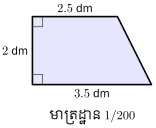
- ក. រកមាឌខ្យល់នៅក្នុងបន្ទប់បើវាមានកម្ពស់ \(\displaystyle 3.75\text{ m}\) ។
- ខ. រកប្រាក់ដែលគេត្រូវទិញឥដ្ឋការ៉ូ បើគេក្រាលឥដ្ឋការ៉ូក្នុង \(\displaystyle 1\text{ m}^2\) មានតម្លៃ \(\displaystyle 1\,600\text{ ៛}\) ។
មើលដំណោះស្រាយ
តាមរូប ប្លង់បន្ទប់មានរាងជាចតុកោណព្នាយកែងដែលមានបាតតូច \(\displaystyle b = 2.5\text{ dm} = 0.25\text{ m}\), កម្ពស់ \(\displaystyle h = 2\text{ dm} = 0.2\text{ m}\), និងបាតធំ \(\displaystyle B = 3.5\text{ dm} = 0.35\text{ m}\) ។
វិមាត្រពិតនៅលើផ្ទៃដី (គុណនឹង \(\displaystyle 200\)) ៖- បាតតូចពិត ៖ \(\displaystyle b_{\text{real}} = 0.25\text{ m} \times 200 = 50\text{ m}\)
- កម្ពស់ពិត ៖ \(\displaystyle h_{\text{real}} = 0.2\text{ m} \times 200 = 40\text{ m}\)
- បាតធំពិត ៖ \(\displaystyle B_{\text{real}} = 0.35\text{ m} \times 200 = 70\text{ m}\)
ផ្ទៃក្រឡាបាតបន្ទប់ពិត ៖
\[S = \frac{b_{\text{real}} + B_{\text{real}}}{2} \times h_{\text{real}} = \frac{50 + 70}{2} \times 40 = 60 \times 40 = 2400\text{ m}^2\]- ក.
មាឌខ្យល់នៅក្នុងបន្ទប់ (កម្ពស់ \(\displaystyle H = 3.75\text{ m}\)) ៖
\[V = S \times H = 2400\text{ m}^2 \times 3.75\text{ m} = 9000\text{ m}^3\] - ខ.
ប្រាក់ទិញឥដ្ឋការ៉ូក្រាលបាតបន្ទប់ (\(\displaystyle 1600\text{ ៛/m}^2\)) ៖
\[\text{ប្រាក់សរុប} = 2400 \times 1600\text{ ៛} = 3\,840\,000\text{ ៛}\]
ដូច្ចោះ មាឌខ្យល់គឺ \(\displaystyle 9000\text{ m}^3\) និងប្រាក់ទិញឥដ្ឋការ៉ូគឺ \(\displaystyle 3\,840\,000\text{ ៛}\) ។
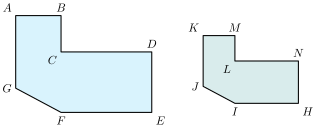
វាស់ជ្រុងទាំងអស់និងមុំទាំងអស់នៃរូបទាំងពីរខាងក្រោម រួចសរសេរលទ្ធផលដែលបានពីការវាស់ទាំងនេះដាក់ក្នុងតារាងមួយ បន្ទាប់មកគណនាផលធៀបនៃជ្រុងត្រូវគ្នា ។ តើរូបទាំងពីរនេះដូចគ្នាដែរឬទេ ?
មើលដំណោះស្រាយ
តាមការវាស់មុំ និងប្រវែងជ្រុងលើរូបភាពទាំងពីរ ៖
រង្វាស់មុំ ៖ មុំត្រូវគ្នានៃពហុកោណទាំងពីរមានទំហំស្មើគ្នារៀងៗខ្លួន ៖
\[\angle A = \angle K, \quad \angle B = \angle M, \quad \angle C = \angle L, \quad \dots\]ផលធៀបជ្រុងត្រូវគ្នា ៖
\[\frac{AB}{KM} = \frac{BC}{ML} = \frac{CD}{LN} = \frac{DE}{NH} = \frac{EF}{HI} = \frac{FG}{IJ} = \frac{GA}{JK} = k\]ដែល \(\displaystyle k\) ជាផលធៀបថេរ (សមាមាត្រ) ។
សន្និដ្ឋាន ៖ រូបពហុកោណទាំងពីរនេះដូចគ្នា ពីព្រោះមុំត្រូវគ្នាមានរង្វាស់ស្មើគ្នា និងជ្រុងត្រូវគ្នាសមាមាត្រគ្នា ។
ចម្ងាយរវាងទីក្រុងពីរមានចម្ងាយពិត \(\displaystyle 310\text{ km}\) ។ តើចម្ងាយនេះតាងឱ្យប្រវែងប៉ុន្មាននៅលើផែនទី បើគេយកមាត្រដ្ឋានដូចខាងក្រោម ៖
- ក. \(\displaystyle \frac{1}{50\,000}\)
- ខ. \(\displaystyle \frac{1}{80\,000}\)
- គ. \(\displaystyle \frac{1}{20\,000}\)
- ឃ. \(\displaystyle \frac{1}{100\,000}\)
- ង. តើគេសម្រេចជ្រើសរើសមាត្រដ្ឋានមួយណា ដើម្បីគូសផែនទីផ្លូវថ្នល់ឱ្យមានវិមាត្រសមរម្យ ។
មើលដំណោះស្រាយ
ចម្ងាយពិត \(\displaystyle D = 310\text{ km} = 310\,000\text{ m} = 31\,000\,000\text{ cm}\) ៖
- ក.
ចំពោះមាត្រដ្ឋាន \(\displaystyle \frac{1}{50\,000}\) ៖
\[d = \frac{31\,000\,000\text{ cm}}{50\,000} = 620\text{ cm} = 6.2\text{ m}\] - ខ.
ចំពោះមាត្រដ្ឋាន \(\displaystyle \frac{1}{80\,000}\) ៖
\[d = \frac{31\,000\,000\text{ cm}}{80\,000} = 387.5\text{ cm} = 3.875\text{ m}\] - គ.
ចំពោះមាត្រដ្ឋាន \(\displaystyle \frac{1}{20\,000}\) ៖
\[d = \frac{31\,000\,000\text{ cm}}{20\,000} = 1550\text{ cm} = 15.5\text{ m}\] - ឃ.
ចំពោះមាត្រដ្ឋាន \(\displaystyle \frac{1}{100\,000}\) ៖
\[d = \frac{31\,000\,000\text{ cm}}{100\,000} = 310\text{ cm} = 3.1\text{ m}\] - ង. ជម្រើសមាត្រដ្ឋាន ៖ ក្នុងចំណោមមាត្រដ្ឋានទាំងបួនខាងលើ មាត្រដ្ឋាន \(\displaystyle \frac{1}{100\,000}\) ផ្តល់នូវប្រវែង \(\displaystyle 3.1\text{ m}\) ដែលតូចល្មម និងងាយស្រួលគូសជាងគេសម្រាប់ផ្ទាំងផែនទីផ្លូវថ្នល់ខ្នាតធំ ។ (សម្រាប់ផែនទីសៀវភៅធម្មតា គេនិយមប្រើមាត្រដ្ឋាន \(\displaystyle 1/1\,000\,000\) ដែលផ្តល់ប្រវែង \(\displaystyle 31\text{ cm}\)) ។
ខ្លឹមសារ៖ សៀវភៅពុម្ពគណិតវិទ្យាថ្នាក់ទី៨ របស់ក្រសួងអប់រំ យុវជន និងកីឡា · វាយអត្ថបទ គូររូបភាពឡើងវិញ និងរៀបចំលើអនឡាញដោយលោកគ្រូ សាន សុខលី សម្រាប់ការសិក្សាដោយឥតគិតថ្លៃ និងមិនរកប្រាក់ចំណេញ។ មិនមែនជាការបោះពុម្ពផ្លូវការរបស់ក្រសួងទេ។